
Peace for Ethiopia Charitable Organization
PEACE FOR ETHIOPIA (PfE), is a non-governmental, non-partisan, non-political, nonprofit, impartial, voluntary organization operating in Ethiopia. PEACEFORETHIOPIA (PfE), was established in earlyJune2020 and is registered as a non-Governmental Organization whose aims are to Promote peaceful and secure societies and Good Governance.
Peace for Ethiopia (PfE) endeavors to realize constructive personal, group and political relationships across ethnic, religious, class, national, and racial boundaries. It aims to resolve injustice in nonviolent ways and to transform the structural conditions that generate deadly conflict.
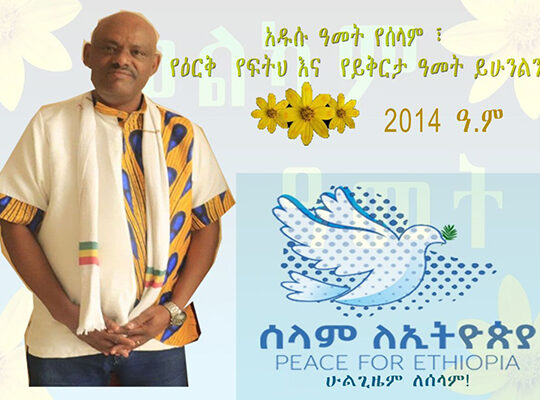
Peace for Ethiopia (PfE) engages in conflict prevention; conflict management; conflict resolution and transformation, and post-conflict reconciliation. It also strategically works over the long run and at all levels of society to establish and sustain relationships among people locally and regionally.
Peace for Ethiopia’s (PfE) network includes people and groups “on the ground” (community and religious groups, grassroots organizations, etc.) with policymakers and powerbrokers (governments, faith-based organizations, national and international NGOs). Peace for Ethiopia (PfE) is established not only to resolve conflicts, but to build societies, institutions, policies, and relationships that are better able to sustain peace and justice. It also strategically addresses issues of human rights, economic prosperity, and environmental sustainability as well as violence.
Peace for Ethiopia (PfE) stretches across generations. While it engages immediate crises, Peace for Ethiopia (PfE) recognizes that peacemaking is a long-term vocation that requires the building of cross-group networks and alliances that will survive intermittent conflicts and create a platform for sustainable human development and security.
Reconciliation is increasingly seen as being vital for sustainable peace. But there are still questions around when reconciliation is possible and how to connect grassroots initiatives ...
In recent years, arts-based approaches to the transformation of conflict have gained increased attention and prominence, from across a range of disciplines.
Environmental peacemaking brings parties in conflict together to work on environmental issues in ways that build confidence and reduce political tensions. It encompasses...
The Project aims to contribute towards the reduction of unemployment, among the youth and women, through the creation of employment opportunities...
Research methods are specific procedures for collecting and analyzing data. Developing your research methods is an integral part of your research design. When planning ...
Conflict assessment is the first stage in the process of conflict management and resolution. Participants (either disputants, third parties, or both) analyze...
Capacity development encompasses a whole range of activities designed to empower individuals and institutions (including the analysis of policy contexts, awareness...
Humanity for Relief and Development is committed to improving the lives of individuals and families affected by the war other causes through a range of sustainable projects...
The aim of replication is that at the end of the process, all active documents in the source database are also in the destination database and all documents ...
| M | T | W | T | F | S | S |
|---|---|---|---|---|---|---|
| 1 | 2 | 3 | 4 | 5 | ||
| 6 | 7 | 8 | 9 | 10 | 11 | 12 |
| 13 | 14 | 15 | 16 | 17 | 18 | 19 |
| 20 | 21 | 22 | 23 | 24 | 25 | 26 |
| 27 | 28 | 29 | 30 | |||